Project Juventas.
CLIMATE CHANGE
Impact on consumers and manufacturers
SUSTAINABILITY
Personal consumer choices vs. collective business choices
GOOD FOR ME & GOOD FOR WE
Decoding and measuring sustainability choices of people and businesses
Decoding personal and collective choices around sustainability in business performance.
Project Juventas helps manufactures of consumer goods in their sustainability measures versus growing consumers´ expectations.
As a result, companies can anticipate impacts of changing consumer choices and create a comprehensive framework of actions and initiatives to address their sustainable development in planning and execution.
We have developed the tool - an Integrated Sustainability Score (ISI) - to be always in control of your progress towards sustainability. We have defined Top 5 focus areas which we help monitor and research:
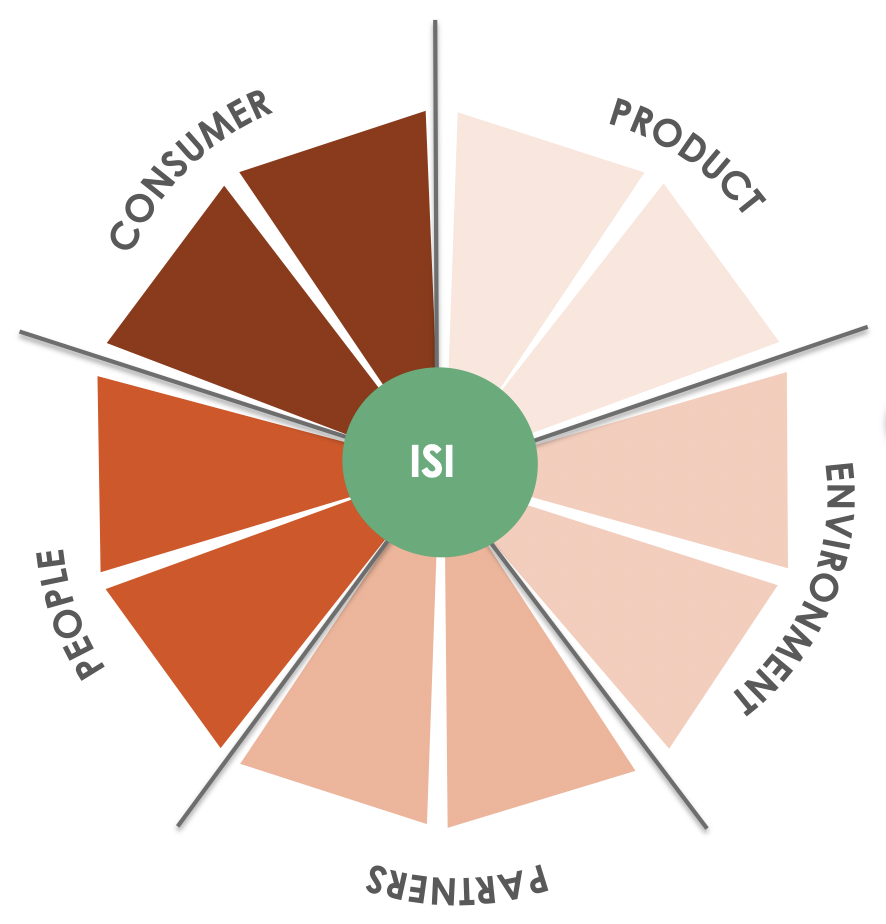
Where we help you monitor and research.
Perceptions of sustainable living
- Actions towards sustainability (waste separation, plastic use reduction, etc)
- Consumption and shopping behavior toward sustainable brands/products
Barriers to sustainable living
Consumer communication
- Transparent information & product labelling in line with the EU regulations
- Advertising to under-12s in line with EU Pledge.
Healthy and nutritious food
- Reduction of undesired compounds, (e.g. saturated fats, avoidable allergenics, artificial flavor enhancers, etc)
- Manufacturing products with lower salt and fat content and only with natural flavours
- Reduction of acrylamide levels to EU benchmarks or lower
- Design of clear product labels
Product safety
- Global Food Safety Initiative (GFSI)
- Factories with maintenance standards
- Clear allergen management policy.
CO2 reduction and energy efficiency
- CO2 reduction across EU operations
- CO2 reduction in transport/logistics
Resource management
- Waste reduction (edible and non-edible)
- Reduction of water consumption
- Reduce packaging material use and increase recyclability
- Increase use of sustainable sources for packaging
Environmental management systems
- Implement energy measurement systems in plants/offices
- Implement projects to reduce pesticides, fertilisers and water (for in-house farms/suppliers).
Ethical sourcing
- Implementation of social compliance and other sustainability standards
- Undertake proactive partnerships and membership in multi-stakeholder sector and sustainability initiatives
Supplier development
- Build awareness and engagement with social policy among suppliers
- Monitor supplier improvements and performance
- Establish direct link to primary production
Origin development
- Work with partners to build capacity in region/countries
- Assess and implement social compliance and improvement Engage with local communities.
People development
- Creation of an equal and fair working environment
- Trainings as part diversity culture
Transparent communication
- Clear objectives and reviews
Health and safety
- Health and safety assessments
- Procedures KPIs and accident reports
Competency Model
- Implement Competency Model.
Ready to make sustainability measurable?
Talk to us about Project Juventas and our sustainability syndicate research.

